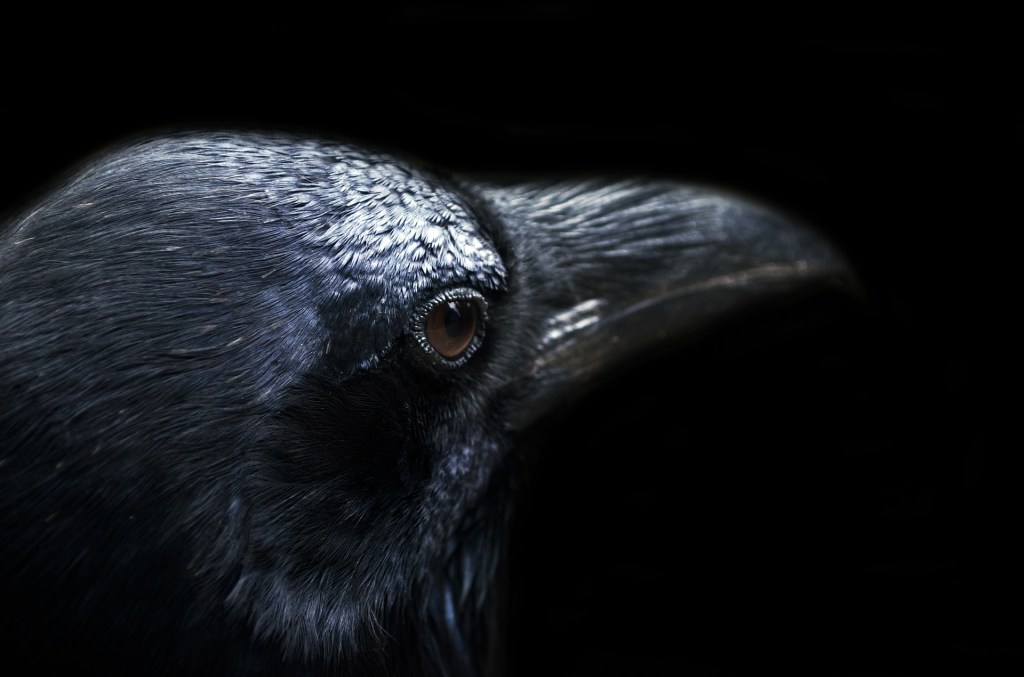
Welcome
Consider the Raven
I created Consider the Raven out of a persistent question: if Jesus came to usher in God’s kingdom and proclaim freedom, why do so many struggle to experience that freedom in our daily lives? That tension followed me through my own story & experiences, through spending hours reading through Scripture, journaling, praying, listening to teachers, and through exploring subjects as wide-ranging as how our brains work, the effects of trauma and suffering on what we believe, and the weight of Jesus’ own words.
Over time, I gathered the insights and questions that emerged from my own personal “scavenging” and “digging” and shaped them into this week-by-week journey. Consider the Raven isn’t about handing you conclusions, but about inviting you to slow down, reflect, and wrestle with the questions that may help you uncover for yourself the freedom Jesus spoke of and the life Gods kingdom makes possible.
If you are walking through this with me, then we can schedule time to talk about it. If not, let me know what questions you have as you read through it. I hope we get a chance to discuss.
Each week you can explore and forage through content from several sources, including my own observations, Scripture, topical teaching from others, interesting videos, etc. all focused on learning about and ultimately finding true personal transformation, mind renewal, satisfaction and freedom that only Jesus and the Holy Spirit working in us can provide.
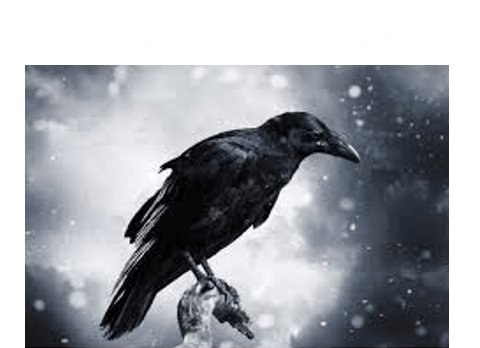
Week One
Let’s get started.
Then Jesus said to his disciples: “Therefore I tell you, do not worry about your life, what you will eat; or about your body, what you will wear. For life is more than food, and the body more than clothes. Consider the Ravens: They do not sow or reap, they have no storeroom or barn; yet God feeds them. And how much more valuable you are than birds! Who of you by worrying can add a single hour to your life? Since you cannot do this very little thing, why do you worry about the rest?” Luke 12:22-26
In these bible verses from the Gospel of Luke we see Jesus talking with his followers about their worrying. Jesus told them; “Consider the ravens: They do not sow or reap, they have no storeroom or barn; yet God feeds them. And how much more valuable you are than birds!”
Perhaps on reading these verses in the Bible you think: “Well of course I’m more valuable than a Raven. Cool. God takes care of them; they don’t need to worry. Wait, what does a Raven have to do with me and my worries?”
The Raven was the bird that Jesus and his followers were familiar with. Not unlike the crow which we would be familiar with here in Minnesota. What do we know about a Raven?
1. A Raven is a scavenger
He’s always hard at work searching, collecting, and foraging for food.
2. A Raven is the smartest of all birds and is even smarter than monkeys.
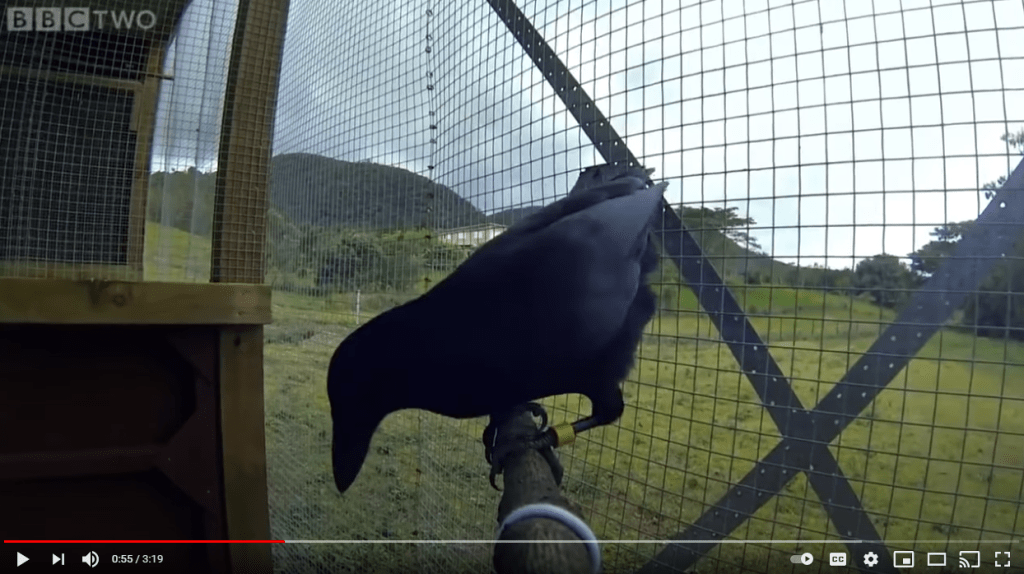
3. A Raven is a master problem solver.
Don’t believe me? Watch this youtube video by clicking this link.Note: When you’re done watching hit the return arrow in your browser in the upper left corner to come back to this site: https://youtu.be/WYBATyILJD8
4. The Raven has a voracious appetite!
5. A Raven was thought to be “unclean” in Jesus’ time.
Let’s examine some comparisons between a Raven and humans.
| Raven | Human |
| Scavenger, a forager who searches, collects, food procured with great difficulty | Also, a scavenger, forager…Constantly searching, trying to find our way, working to earn money, provide, not always easy |
| Smartest of most animals, even monkeys | The smartest of all animals |
| Problem solvers, self reliant | Complex problem solvers, self reliant |
| Has a voracious appetite | Constant search for satisfaction and security to satisfy a voracious appetite |
| Classified as “unclean” creatures in scripture | Classified as “unclean” and depraved in scripture, made unclean by our sinful nature |
Reflect on this comparison for a moment and ask yourself; what might Jesus be asking his followers to “consider?”
Here are some possibilities:
- Jesus recognizes and completely understands that our life and existence will be a struggle.
- Jesus understands our depravity, our “unclean nature”, our brokenness.
- He knows that as we struggle in our current circumstances, search for answers and have unmet needs we will worry and have anxiety about it.
- Jesus knows that we will be “triggered” by many things in our lives and when this happens our “knee-jerk” reactions may be to:
- Worry and be filled with anxiety
- Want to control and be overly self-reliant
- Be overwhelmed and emotionally shut down from others
- Get angry and blame others for our problems
- Distract ourselves with things to dodge any pain we may feel
- Have a sense of hopelessness
So, Jesus asks us to “consider the Raven”
He calls out 4 significant attributes of the Raven for us to consider:
1. The Raven does not “sow” or plant anything
2. The Raven does not “reap” or gather anything
3. The Raven does not have a “storeroom” or barn as they do not need to stockpile or store anything
4. In spite of all these realities… Jesus claims that the Raven’s needs are cared for by God.
Jesus goes on to talk about several other critical truths:
- If God takes care of and watches over Ravens, how much more valuable are you than them?
- Who of you by worrying can add a single hour to your life?
- And since you aren’t able to add a single hour to your life, (which to God is a little thing), why do you get all “worked up” about the rest?
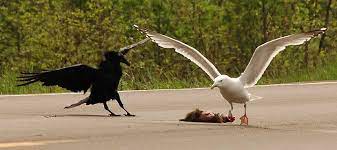
I was on a run and saw a dead rabbit in the road. A
raven was having lunch with it. The next day, as I ran by, the rabbit was gone. This is what I thought about: The Raven, on any given day, may come across some roadkill and be satisfied at that moment…Yet the next day when the Raven returns, his provision is gone, perhaps taken by another creature…So, the Raven begins its search again, designed by God to instinctually not plant, not harvest, not store up anything for its satisfaction. Instead, Jesus is making a point, that the Raven shows us how to live freely- knowing and trusting that he will find everything he needs that day to survive.
Jesus knew that the Raven is unclean, that his appetite is rarely satisfied, that he is an incredible problem solver and self-reliant, yet can have an existence that can be difficult. In this sense, we are the same. Jesus is essentially saying, “I’m aware of everything these creatures need, and I care for them. So Ravens never worry. The Raven lives in freedom; not freedom from struggle – but rather, freedom in spite of struggle.”
“And so can you.”
You may my not believe this type of freedom is possible. Maybe you have been wrestling with failure, hurt, challenges too difficult to overcome, pain related to past trauma or abuse and feel like there may be unresolved issues lingering deep down inside of you.
At times you may struggle with feeling one or all of these:
- Rejection
- Abandonment
- Hopelessness
- Anger
- Unforgiveness
- Emotional numbness
- Discouragement
- Worthlessness
- Disconnection
Like a Raven, we often feel like we are experiencing life as a scavenger. Foragers who are constantly searching and collecting things for our own survival. But unlike the natural instincts of a Raven, we often find ourselves emotionally wounded through life’s experiences and traumas.
What happens when we have unresolved emotional wounds from past traumas?
When triggered, our minds will always interpret our current situation in a fraction of a second and immediately we will feel an emotion based on what we believe. Our emotion will always come from what we believe to be true. Another way of saying this is “we feel whatever we believe.”
Unresolved emotional wounds may make me feel anxious, overwhelmed, worthless, afraid, dumb, useless, terrified, like running away, etc. These emotions come automatically from our “core belief”. Whatever is inside will come out.
What you feel comes rarely from your present situation, rather it comes automatically from your “core-belief”. All trauma and abuse can generate lie-based beliefs. All of life’s circumstances can produce lie-based beliefs.
Core lie based beliefs may feel true but are not. This is why we may understand intellectually when Jesus says we don’t have to worry and can live in freedom. Yet we still worry and don’t feel like we’re living in freedom.
So what do I do?
What lie-based beliefs may you have? What emotional land mines have you stepped on that make this so difficult? Why do you feel so spiritually and emotionally unhealthy?
These are the questions we want to ask and are exploring together. As the Raven searches and collects, we are embarking on our own search and collecting answers to help us with these questions.
Our brains can only take on so much information before we gloss over and forget what we are reading and can only retain a small percentage of the information. You may be experiencing that right now. If so, take a short break and watch this youtube video by clicking the link below the nail. Note: When you’re done watching hit the return arrow in your browser in the upper left corner to come back to this site:
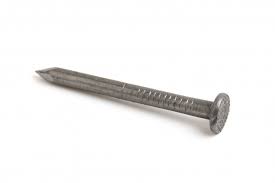
Welcome back. Hopefully you enjoyed that interlude.
Even though it’s absurd, the reality is, we all have “nails in our head” and like the woman in this short video, we can’t see it. Pain has been a big issue and lie-based core beliefs produces the emotional pain we feel. It motivates the choices we make and to a great extent “shapes” the course of our lives.
To the degree that our belief (intellectual and experiential) both accurately reflect the truth, we are able to think, feel, and act appropriately in a spontaneous and natural way. However, when you have avoided feeling your pain and have used coping mechanisms to disguise or hide your pain its a different story. Another way to describe a coping mechanism is a solution that you may have in place that keeps you from feeling the pain.
Examples of coping solutions stemming from unresolved issues related to trauma:
Anger. When you are triggered you get angry to protect yourself.
Denial. That’s just the way things were…no big deal…nothing to see here.
Excuses. They were just doing the best they could…They didn’t really mean it.
Blame yourself or others: It was my fault or I feel this way because of you,
Isolation: You disappear, shut down or keep relationships on the “surface” so no one can really know you.
Escape: You run away, self medicate or change your focus to something else. (work, hobby, entertainment, porn, etc.)
Coping solutions have felt like lifesavers to you. You have used them to survive, which may have been necessary for a season. But now you may be realizing they have become crutches to keep you protected from feeling. To keep you from the truth; they have rendered you dysfunctional.
Three voices that you may hear
Over the next few weeks as you dig into this, you may experience many different emotions and have many thoughts. In preparation for that, consider this: God’s voice may speak to you about your behavior, but He will never shame you, or put down who you are. The enemy will always attack who you are. Here’s a guide to help you determine who is speaking to you:
- God’s voice – stills you, leads you, reassures you, encourages you, enlightens you, comforts you, calms you, and gently convicts you.
- The enemy’s voice – rushes you, pushes you, frightens you, confuses you, discourages you, shames you, worries you, obsesses you, and condemns you.
- Your own voice—our inner voice will choose to agree with either God’s voice or the enemy’s voice. It is important for us to be aware of that and choose to believe God’s truth, rather than the enemy’s lies.
God loves your questions. When you hear something and you are not sure who is speaking, just ask Him:
- “Lord, is this you?”
- “Lord, what do you want me know?”
- “Lord, how do you see me?”
He will be faithful in teaching you to follow His voice. He promises you in John 10:27, “My sheep hear My voice.”
This weeks questions are below.
Questions for Week One
- Do you live in freedom?
- The Raven lives in freedom. Not freedom from struggle – but rather freedom, in spite of struggle. What does living in freedom mean to you? What would that look like?
- Do you believe God has the power and desire to free you? Why or why not?
- Of the below list, which of these do you feel most often, and describe when you feel them. Add any not listed:
- Rejection
- Abandonment
- Hopelessness
- Anger
- Unforgiveness
- Emotional numbness
- Discouragement
- Worthlessness
- Disconnection
- What does “we feel whatever we believe” mean to you?
- What is a lie-based belief? Can you think of an example in your own life?
- What are some coping solutions you have put into place to protect you?
- What are your thoughts regarding God’s voice, the enemy’s voice and your voice?
- What are some things you would like to see God do in your life in the next several weeks?

 Consider the Raven